
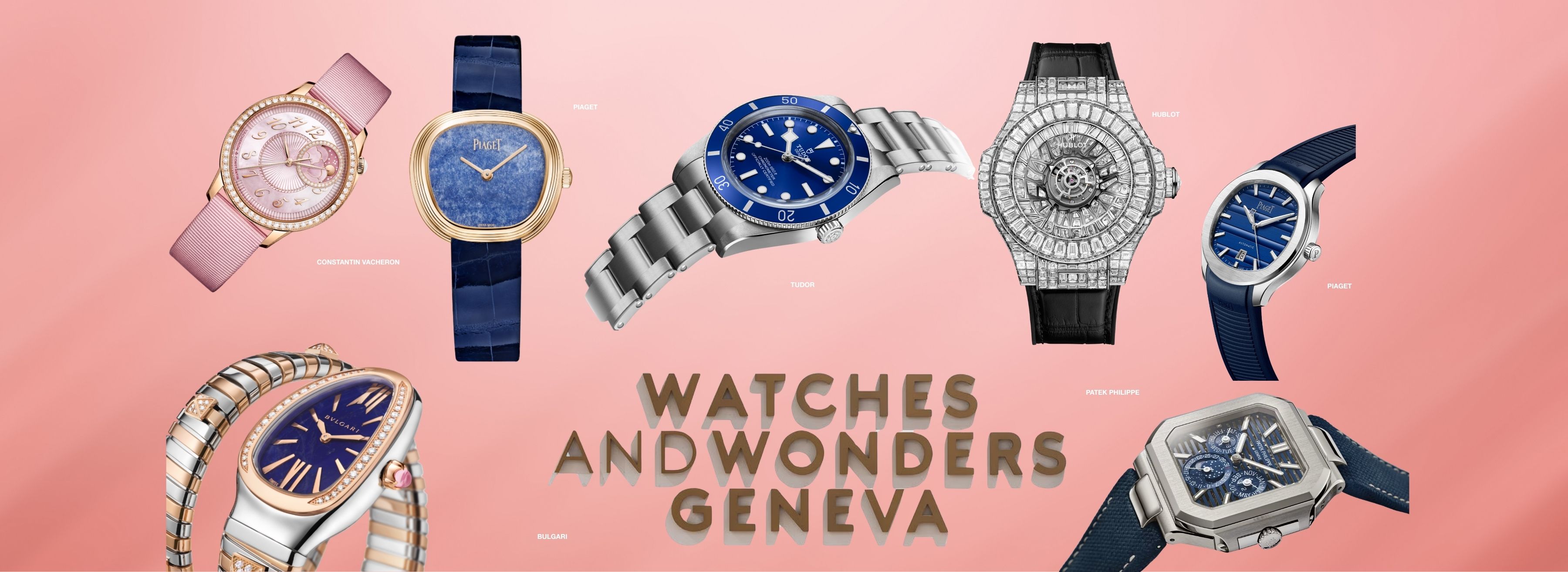
Uninvited & Unfiltered: A Highly Unauthorised Review of Watches and Wonders 2026
There are two ways to attend Watches and Wonders Geneva 2026: with a velvet-lanyard badge, or with a bruised ego and a working internet connection. This year, I find myself firmly in the latter category.
For reasons both bureaucratic and karmic, no invitation arrived. Apparently, no longer being Editor-in-Chief of a print title, one that, in hindsight, occupied that charming gray area between “a complete scam” and “elaborate group hallucination”, has consequences. Still, one might think my years of service to horology would count for something.
But exclusion is merely a state of mind. And Wi-Fi and my own multimedia platform that require a court order to remove content, is forever. And so, I shall have the last laugh.
While I was not physically present in Geneva, no champagne receptions, no grand appointments in overpriced booths, I have nonetheless done what any self-respecting former insider does best: formed strong opinions from afar and according to the (few) brand press releases I did receive this year.
Because if there is one thing more enduring than Swiss watchmaking, it is the irresistible urge to comment on it.
If there is a unifying theme to this year’s releases, it is this: the world feels like it’s gently unraveling at the seams and the watches know it.
All in all, most of the watch brands are unveiling copies of each other’s former models.
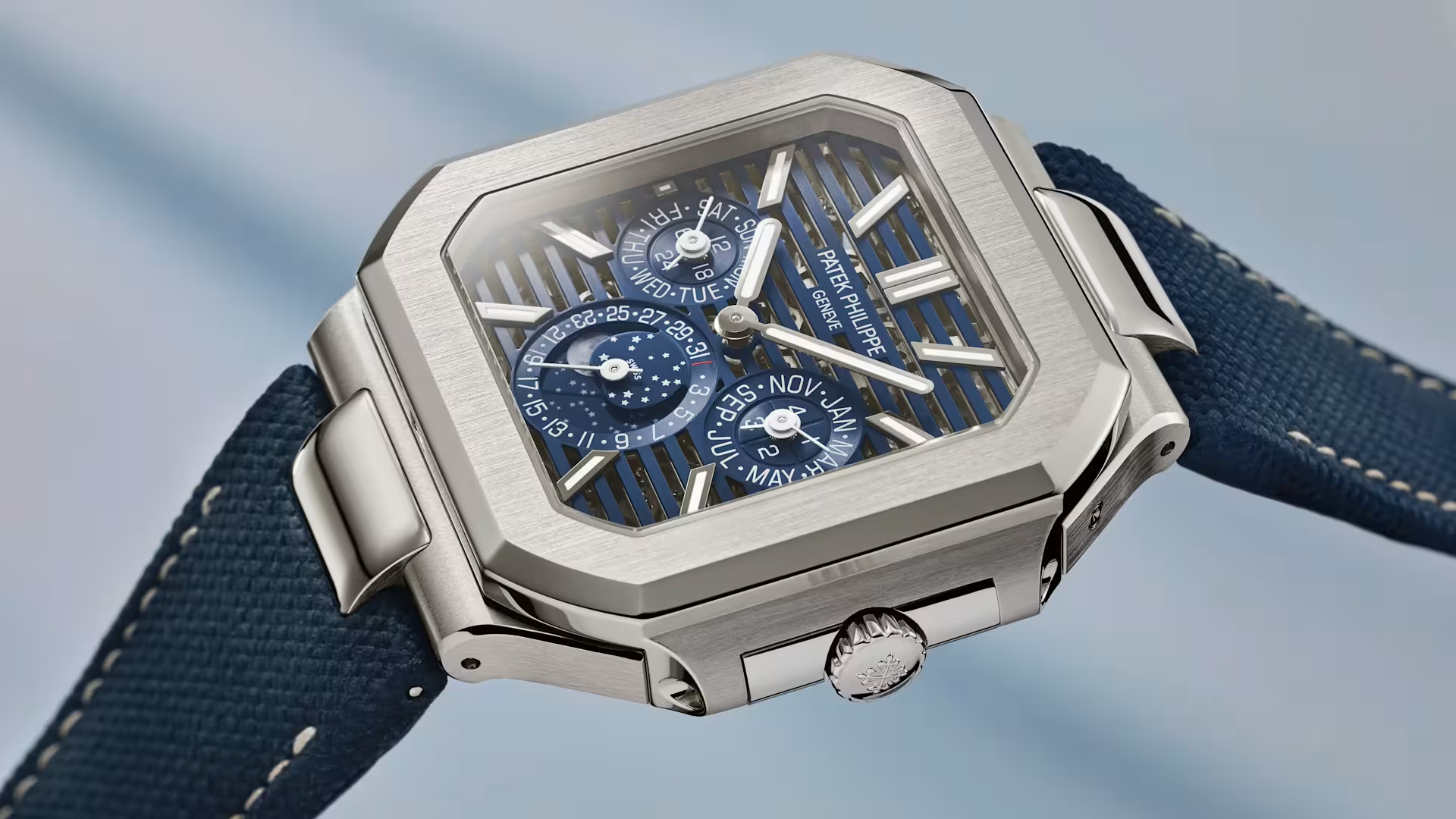
And then there’s Patek, who are still trying to make the Cubitus cool. Kind of like when Gretchen was trying to make the word “fetch” cool in the movie Mean Girls, although everyone kept telling her, it’s not going to happen.
The world may be going to shit in a hand-finished, Geneva-striped basket—and the novelties unveiled this year reflect that beautifully.
Now, let’s get deeper into it.
Image below: ©PatekPhilippe
I should say upfront—lest anyone accuse me of developing this opinion out of seasonal spite—that I am a long-standing and deeply committed opponent of luxury watch brands peddling quartz movements to women at prices that would make a perpetual calendar blush. Too often, the people buying these pieces aren’t even told, let alone aware, that what sits inside isn’t mechanical. And one can’t help but suspect the rationale is either that women won’t notice, won’t care, or, more bleakly, don’t “deserve” the same horological substance. None of these are flattering assumptions.
By any reasonable metric, geopolitics, economics, general vibes, it’s been a dreadful year for the world, a complicated year for the watch industry, and, somehow, an even worse year for women’s watches. This year has been a beautifully lit exercise in creative stagnation particularly when it comes to pieces marketed to women.
Nothing illustrates this better than the quiet but unmistakable return of quartz in women’s releases, where mechanical ambition seems to politely excuse itself and leave the room. Among the usual suspects:
Cartier with endlessly chic iterations of the Panthère de Cartier and the ever-so-arched Baignoire. Both ticking along on batteries, naturellement.
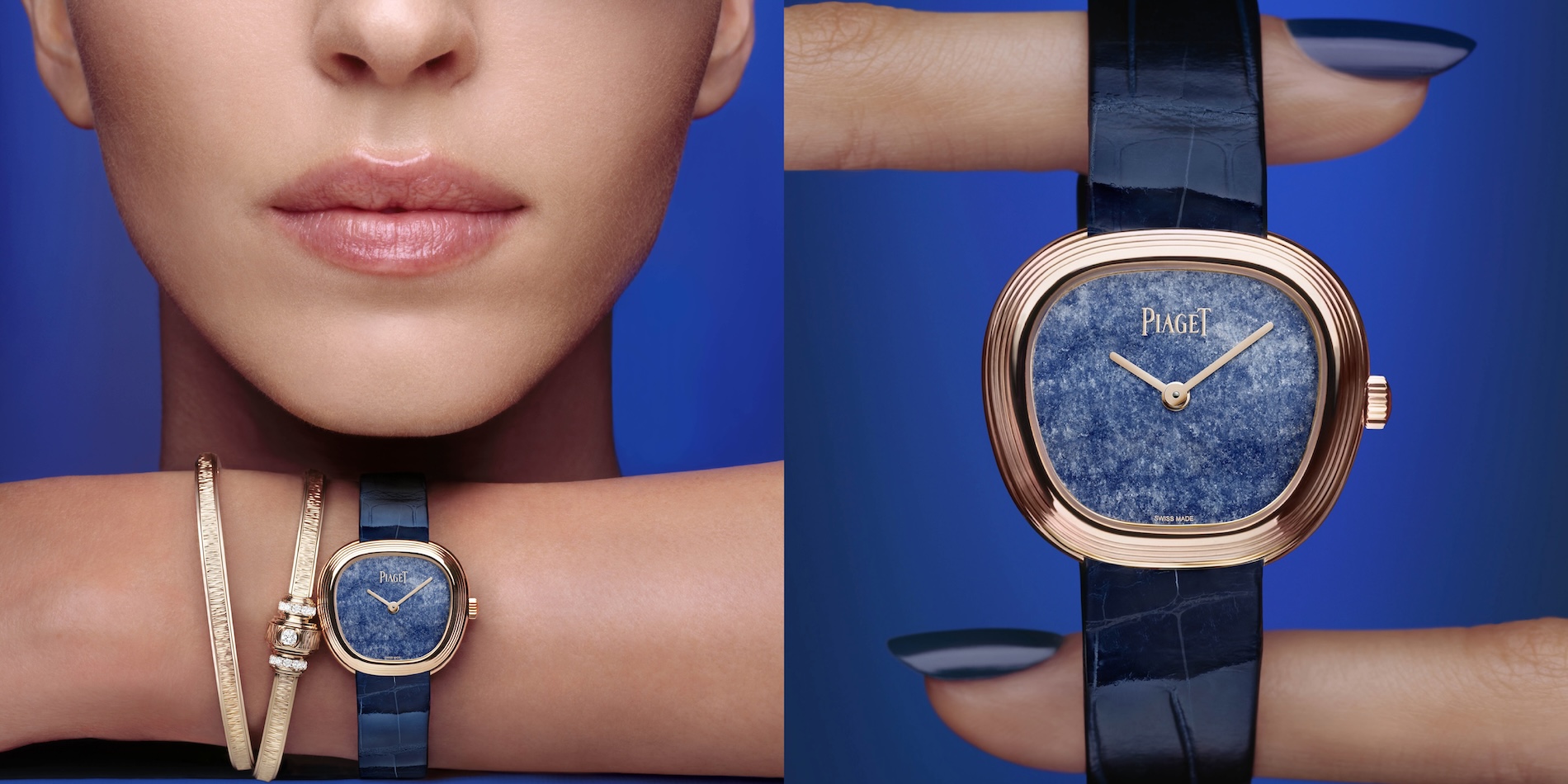
Piaget leaning into retro forms with the Sixtie models ranging from 17- 23.000 Euros (quartz, because why strain oneself for that price).
Image: ©Piaget/EllaBrigitteNiedermair
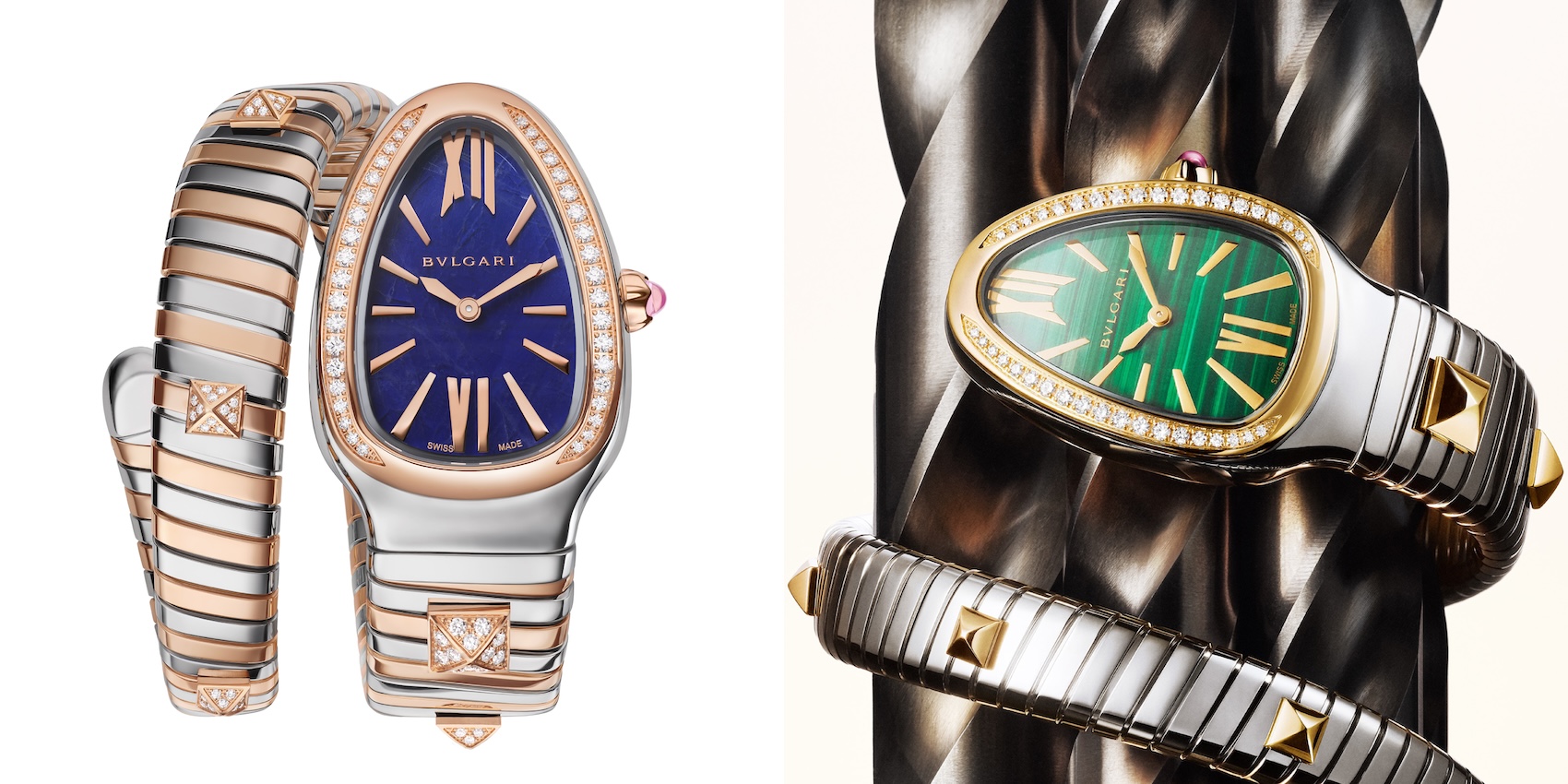
Bulgari continuing its serpentine seduction with Serpenti Tubogas quartz variations.
Image: ©Bulgari
Chanel refreshing the Première and camellia-adorned creations. Couture for the wrist, mechanics optional (my humble unpopular opinion: fashion brands do not belong in the world of haute horlogerie anyway, please stick to clothing and shoes, where you belong).
Van Cleef & Arpels offering poetic, enamel-laced dreamscapes at eye watering prices, with some discreetly powered by quartz beneath the artistry.
Chopard extending the sparkle of L’Heure du Diamant, where brilliance outshines balance wheels.
It’s not that these watches are unattractive. Some of them are dazzling, intricate, often breathtaking (the Piaget Sixtie for example) and yes, their smaller diameters do make them appropriate for very slender wrists (like mine). But they inhabit a parallel universe where women are presumed to prefer decoration over mechanics, aesthetics over engineering – but are made to pay the full price.
Which, frankly, grinds my gears (pun intended).
If déjà vu were a complication, 2026 would have delivered a grand complication across the board. As hinted at earlier, a remarkable number of “novelties” unveiled this year feel less like bold new chapters and more like well-funded cover versions. Case shapes echo familiar silhouettes, dial layouts seem to have been politely borrowed from neighboring booths, and even the color palettes appear to have been agreed upon in some sort of discreet, industry-wide group chat. One begins to suspect that somewhere beneath Palexpo, there is a shared archive labeled “Things That Worked Before For Another Brand — Let’s Do That Too.”
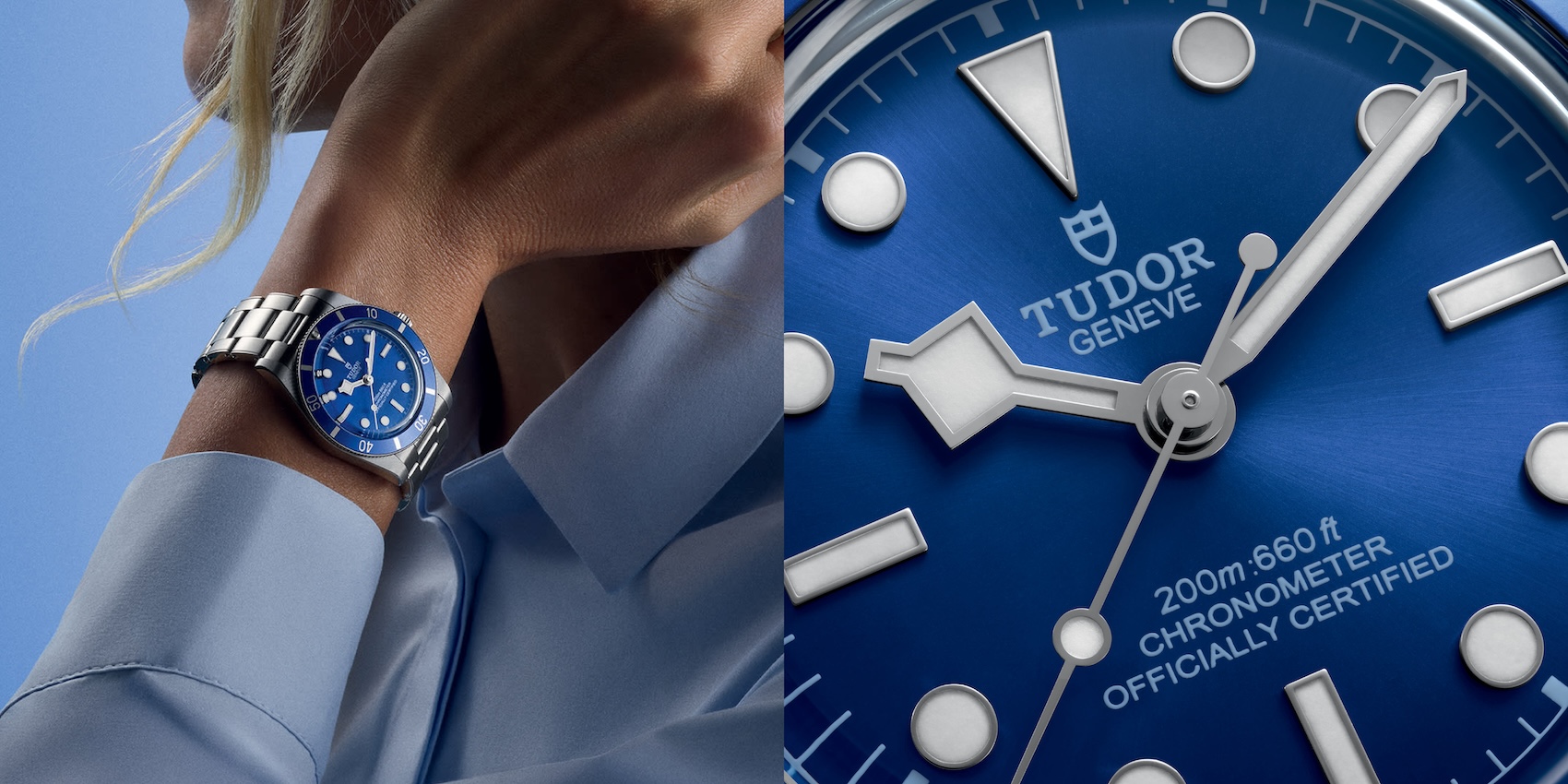
Take Tudor as a case in point. I continue to struggle with its existential pitch beyond being the industrious understudy to Rolex—producing watches for people that are too lazy to save up long enough for the real thing. This year’s lineup doesn’t exactly challenge that impression: the Black Bay 54 leans heavily into Rolex Submariner territory, the Black Bay 58 GMT channels unmistakable Rolex GMT-Master II Pepsi energy, and so it continues down the catalog.
Image: ©Tudor
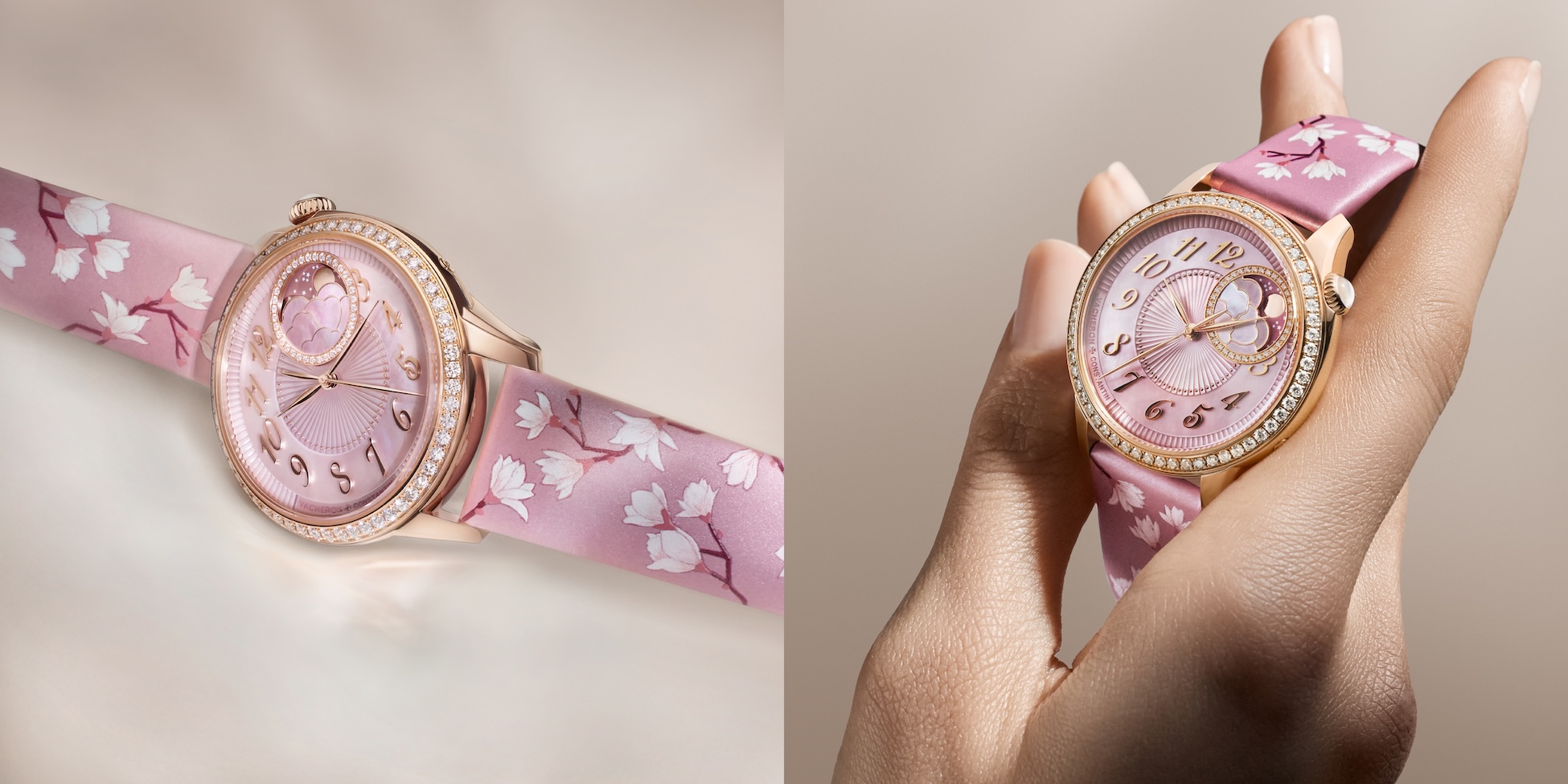
Then we have the Égérie Moon Phase Spring Blossom from Vacheron Constantin—a genuinely lovely, unapologetically feminine piece, limited to just 100 pieces. And, credit where it’s due, this is one of the rare instances this year where a women’s watch is treated like an actual watch. Inside sits a proper manufacture calibre: automatic, 30 mm in diameter, just over 5 mm thick, beating at 4 Hz with a respectable ~40-hour power reserve, made up of 164 components and 24 jewels. It delivers hours, minutes, seconds, and a moon phase. Plus, because this is still high jewelry territory, a casual 94 diamonds. On paper, it’s exactly what one would hope to see more of: mechanical credibility paired with decorative craft, even extending to a hand-painted strap.
And yet, tragically, predictably—it looks like it wandered straight out of the Lady Arpels collection archives at Van Cleef & Arpels. The enamel work, the mother-of-pearl dial, the soft, poetic aesthetic. It’s all beautifully done, but also deeply familiar.
Image: ©VacheronConstantin
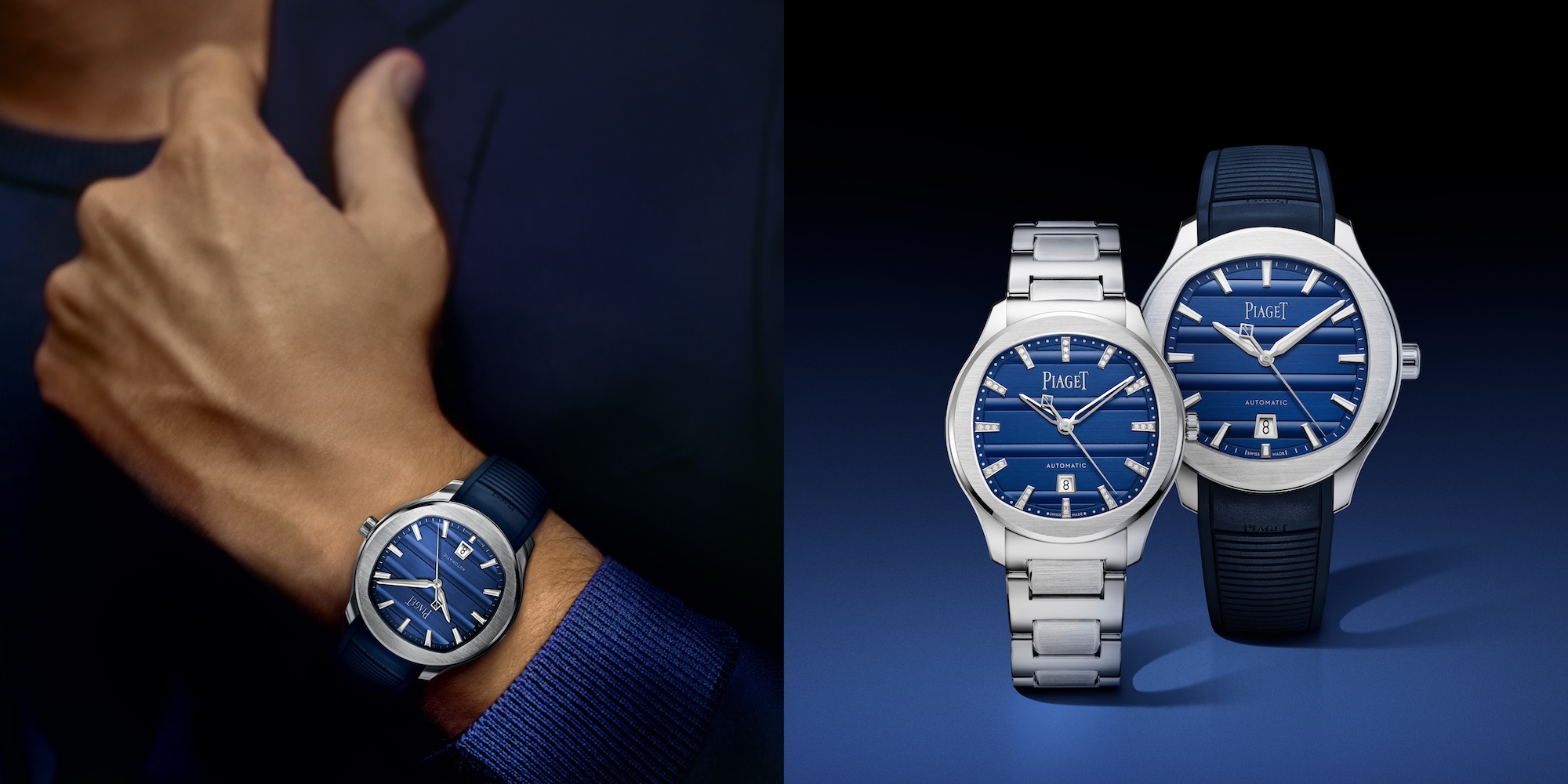
Next, Piaget has introduced updated versions of the Piaget Polo Date Signature. What’s actually new? Subtle refinements: cleaner dial layouts with a more minimal logo treatment, slightly adjusted proportions, and an overall push toward a more contemporary, streamlined look. In other words, evolution, not revolution.
Interestingly, in 2024, Piaget marked its 150th anniversary by revisiting a concept close to Yves Piaget’s heart: the idea of matching watches designed as a complementary pair, for couples, offering a shared aesthetic in a flexible, wearable form. Two years on, that philosophy returns in a new iteration of the Piaget Polo, this time drawing on the distinctive gadroon detailing of the historic Polo 79. I actually really like this couple’s concept especially when considering that men are usually the ones purchasing timepieces for their lady of choice.
My only problem: the Polo lives in the long shadow of the Patek Philippe Nautilus. The Nautilus arrived in 1976; the Polo followed in 1979. And decades later, that timeline still feels… visible. The integrated bracelet, the sporty-elegant profile, the shape of the casing, the whole design language: it’s all just a little too reminiscent.
Image: ©Piaget
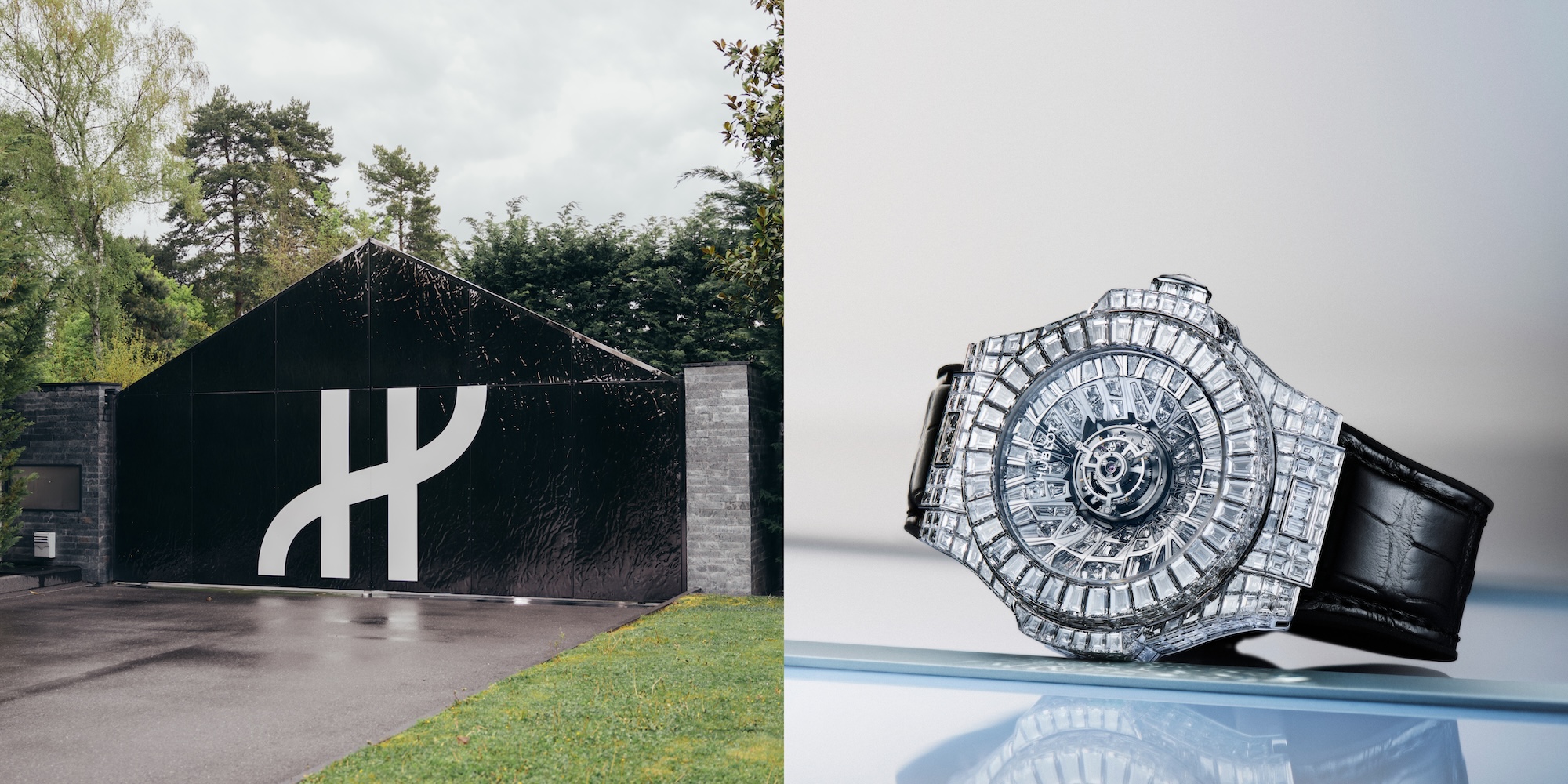
And then, finally, a glimmer of light at the end of this increasingly predictable tunnel: Hublot, the brand that, in my eyes, can do no wrong. While others recycle design codes, Hublot builds entire worlds. This year in Geneva, they didn’t just present watches—they installed a full-fledged Hublot villa to host guests, complete with the kind of unapologetic branding that has become their signature. (I say this with authority, having once lounged by a fully Hublot-branded pool at their villa during the 2022 FIFA World Cup in Qatar. Commitment is consistency.)
Among their novelties, one piece in particular stood out: the Hublot Big Bang Impact One Million. A watch that does exactly what Hublot does best: turn excess into art. True to the brand’s reputation for million-dollar masterpieces, this creation pushes the boundaries of both haute horlogerie and haute joaillerie.
At its heart, a flying tourbillon anchors the composition, while around it, some 500 diamonds, totaling approximately 44.6 carats, burst into motion. Cut into unconventional shapes, they form a swirling, almost gravitational dance, drawing the eye inward as if pulled by the energy of the complication itself. The setting is anything but traditional; it’s architectural, interlocking, and demands extreme precision, transforming gemstone setting into a bold, almost kinetic visual statement.
In a year of echoes, Hublot, refreshingly, is still speaking in its own voice, which now belongs to their new CEO Julien Tornare, who has very large shoes to fill after the departure of Riccardo Guadalupe.
Image: ©Hublot
To summarize: the world is unraveling, the watch industry is playing it safe, women are still being handed quartz with a diamond halo, and originality has quietly left the building. Presumably without a press pass. There are, of course, bright spots (thank you, Hublot), but overall, this year’s novelties feel less like a bold statement and more like a well-dressed shrug.
And rest assured: I will continue delivering increasingly unfavourable yet deeply insightful, and entirely unsolicited reviews… right up until my invitation to Watches and Wonders Geneva mysteriously reappears and the red carpet is rolled out for me once more.