
Alexandra Negrea is the founder of interior design studio "Fashionable Interiors".
With over 10 years of experience, the studio bridges the gap between fashion, art, and spatial storytelling.
Every project starts with one question: how do you want to feel when you walk into the room?
People who aspire towards a wealthy life probably have a picture in their head of how the wealthy actually live. Grand rooms. Recognisable brands. The kind of interiors that appear in magazines and stay there, perfectly lit, forever. I have been inside those homes. But I have also been inside the other ones: the ones you never see. And I am here to tell you: the picture in your head is probably wrong.
The most beautiful home I have ever worked on, I am not allowed to talk about. Here is something I have noticed after a decade of working with clients who could, genuinely, have anything: the more money someone has, the less they want to be seen. Not as people, but as homeowners. These homes are built entirely around who they are as human beings. Their passions, their families, their way of moving through a day. There is no audience factored in. There is only the person who lives there. And those homes almost never end up on Instagram.
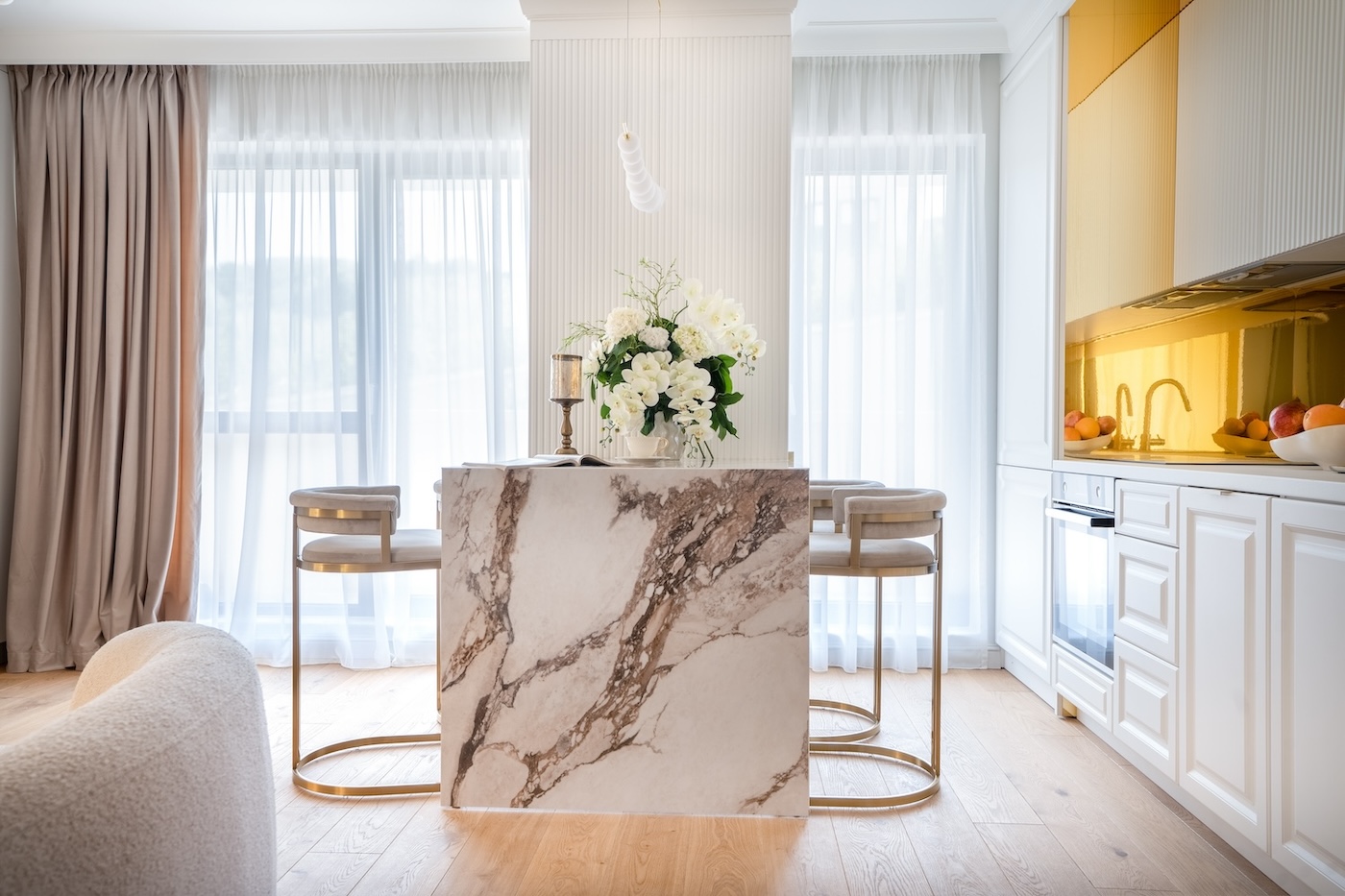
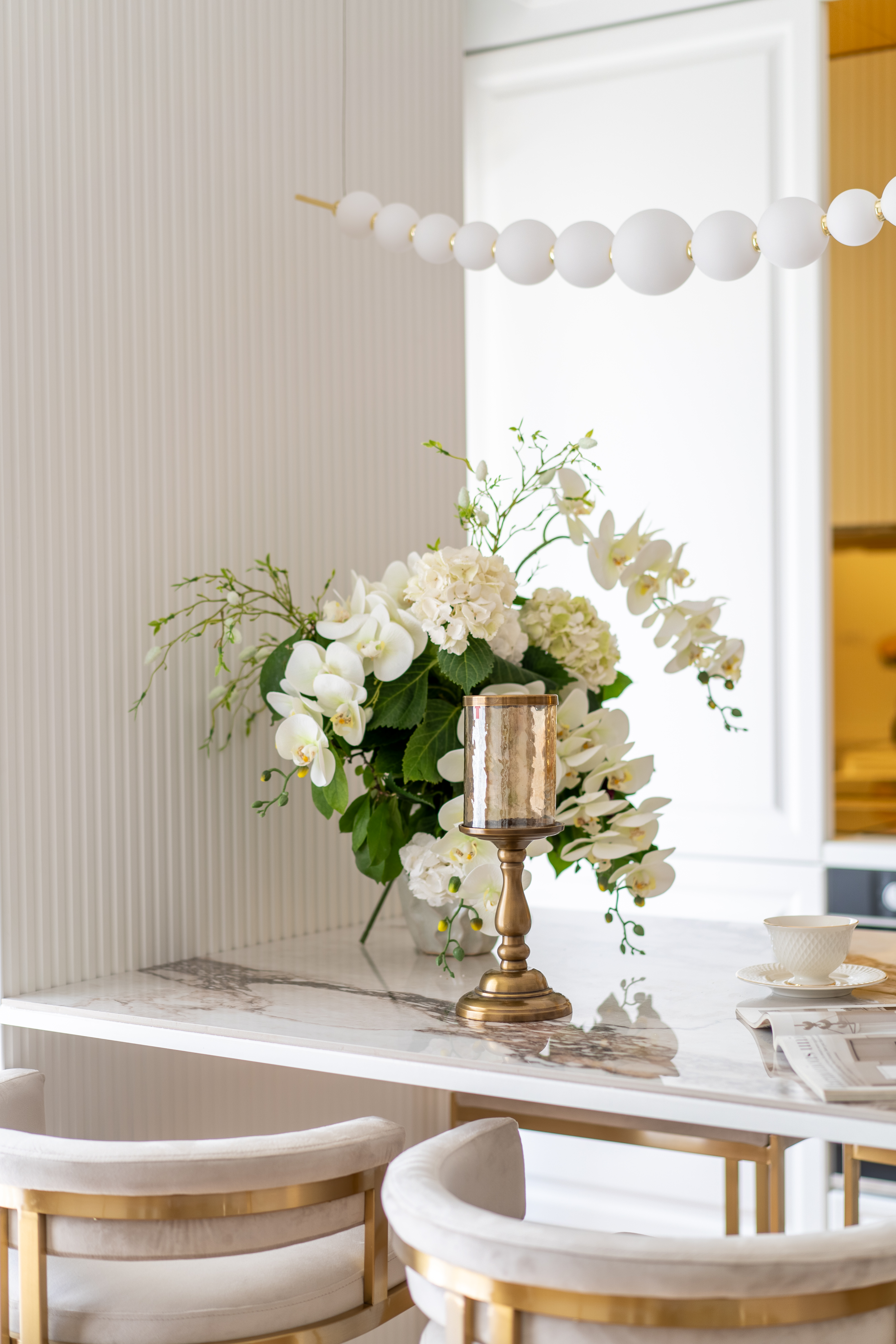
The ones that do, the marble kitchens, the sculptural staircases, the rooms that read beautifully in natural light at a 28mm focal length, are often designed, consciously or not, with an audience in mind. There is nothing wrong with that. But there is a difference between a room that photographs well and a room that actually holds you. The clients who ask me not to share their work are not being coy. They have simply built something that stops being theirs the moment someone else sees it. They know that. They protect it accordingly.
What makes these private rooms so extraordinary is rarely the materials, though the materials are often exceptional. It is that every single decision was made in answer to one question: how does this person want to feel when they walk through the door? Not how will it look. Not what will it say about them. How will it feel — to this specific person, on a Tuesday evening in November, after a long day. That question changes everything. The height of a shelf. The warmth of a light source. The texture of a floor underfoot in bare feet at 7am. None of these things photograph. All of them matter.
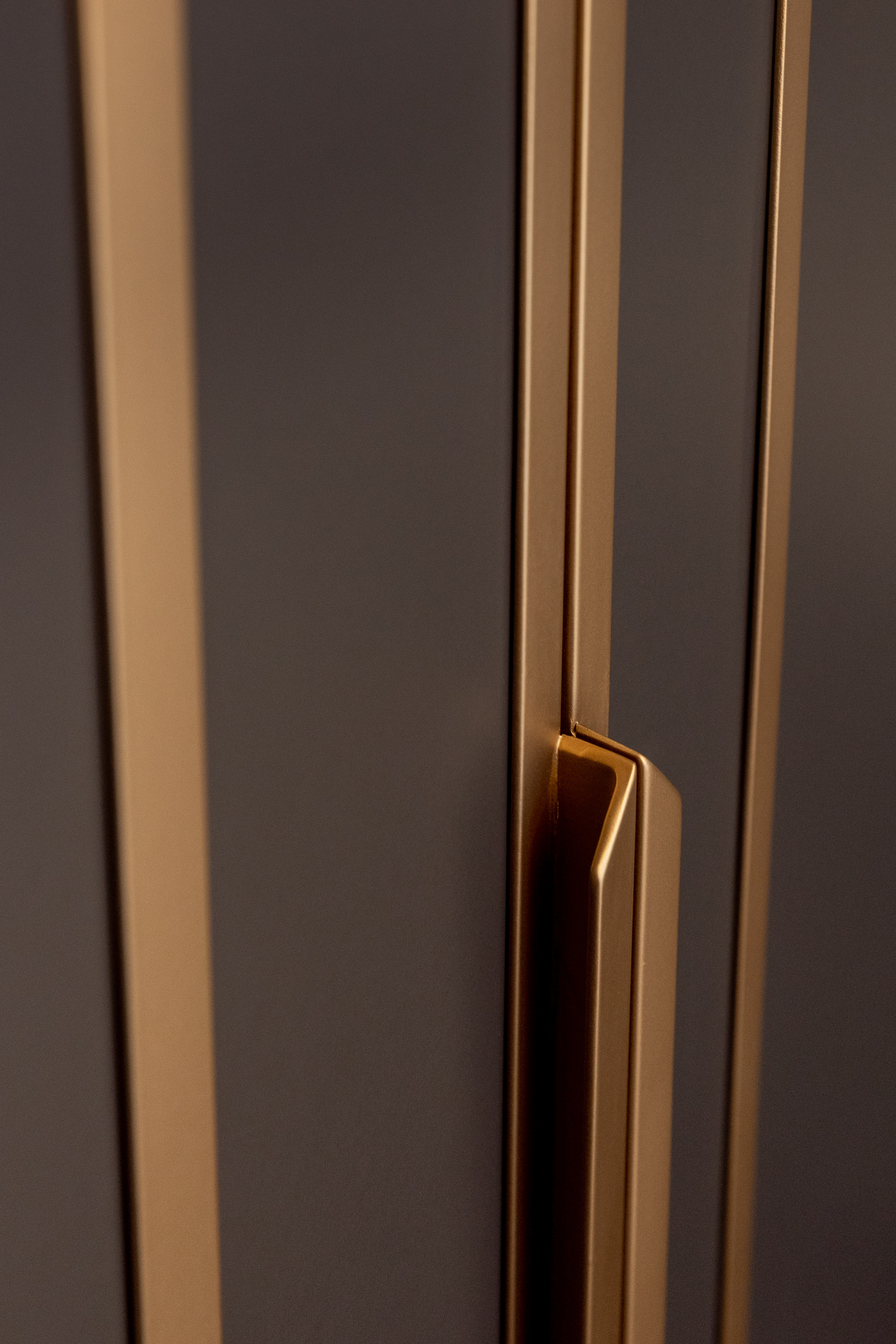
Luxury used to mean having more than everyone else. The clients I admire most have moved past that entirely. What they want now is something quieter and, honestly, much harder to find: a home that has nothing to prove. Those are the rooms I love most. And you will never see them. But I can tell you how they feel. The clients who ask me not to share their work are not being coy. They have simply built something that stops being theirs the moment someone else sees it. They know that.
They protect it accordingly.
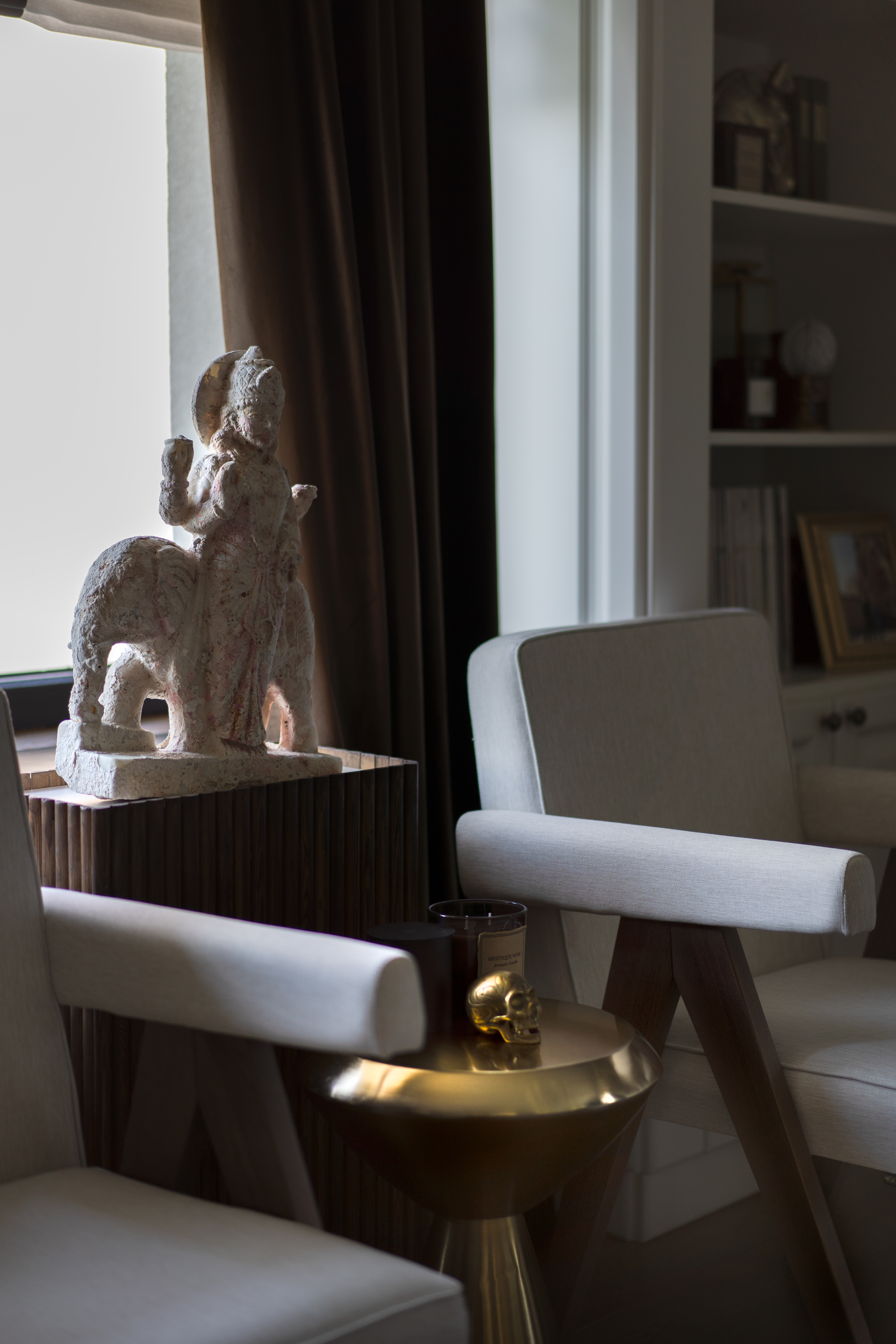
They feel curated. Not in the way that word gets overused but in the truest sense. There is a deepappreciation for authenticity in these spaces. Every piece carries the hands of the person who made it. You can feel the decision behind each object. Nothing is there by accident, and nothing is there to impress. They hum with art: in all its shapes and forms. Not necessarily paintings. Not necessarily anything you would recognise as art at first glance. But pieces that make the space feel alive. Objects that create a quiet energy in a room, the kind you feel before you can name it. And the materials are chosen like they were destined for that exact spot.
A specific slab of marble, selected not because marble is fashionable but because that particular stone, with that particular vein running through it, was the only one that felt right. A floor made from hundred-year-old wood reclaimed from a barn somewhere. Wood that already has a life in it before it enters yours.
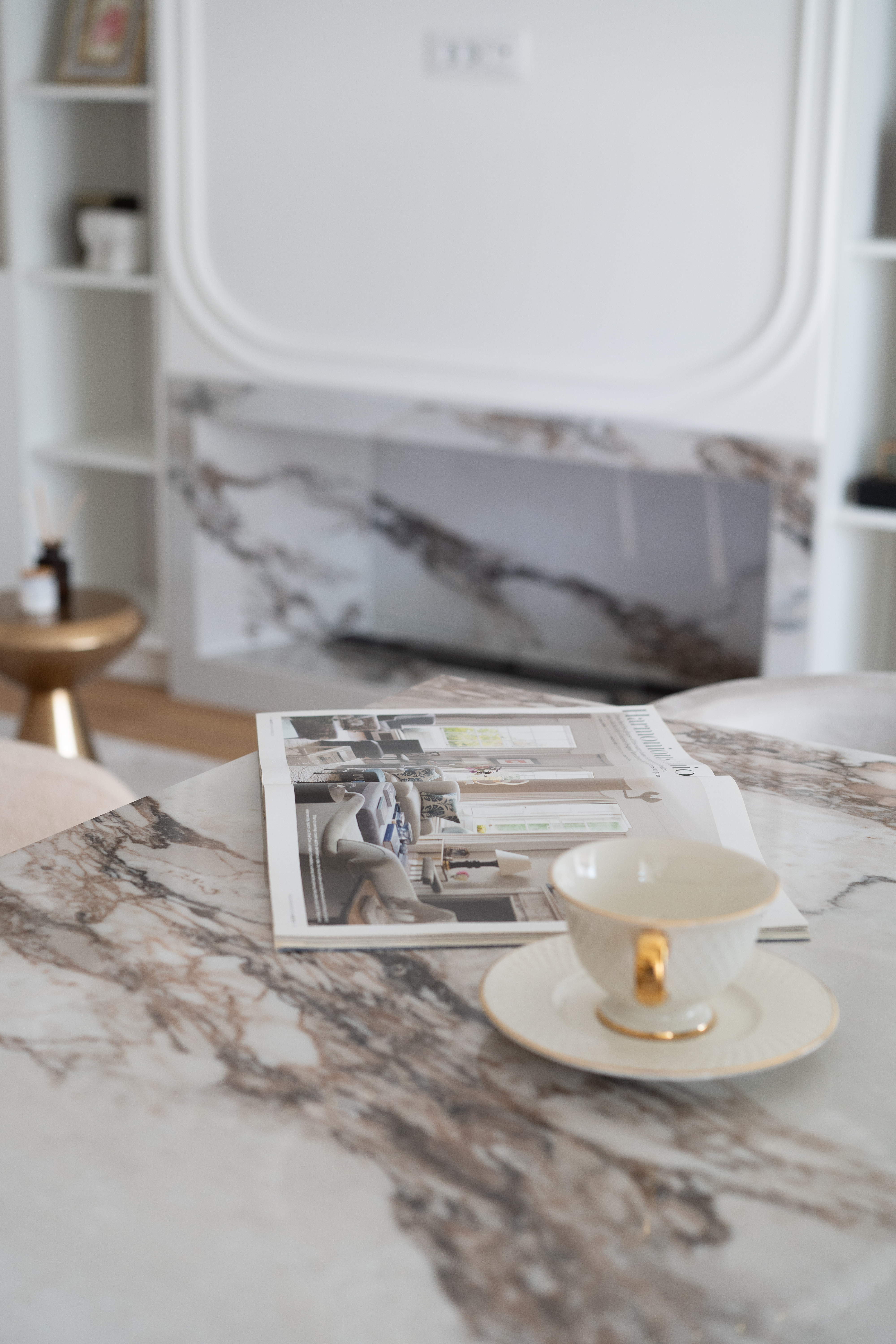
This is what the homes of the truly wealthy feel like from the inside. Not a performance. Not a showcase. A place built entirely around one person's inner world and generous enough to hold it completely.